• ⚠️ UK Access Block Notice: Beginning July 1, 2025, this site will no longer be accessible from the United Kingdom. This is a voluntary decision made by the site's administrators. We were not forced or ordered to implement this block.

T

Thatdude

Life is temporary, death is permanent
Sep 26, 2019
484
I'm not going to CTB any time soon, but I think I figure out how I'm going to do it. Can someone look over the list of gear to see if I have everything

  • Nitrogen Cylinder: A new 40 cubic feet steel cylinder costs approximately $260.35. A larger 125 cubic feet cylinder costs around $335, with refills costing as little as $35
  • Scuba Regulator Set: A new, complete regulator set can range from approximately $320 to over $1,499.
  • Full-Face Diving Mask: A full-face diving mask can cost approximately $65 to $899, depending on the model.
  • Some clamps to hold the hose on the tank.

Estimate cost $1,479-$2,734

I wanted to use a full-face diving mask since that will be strapped to my head. This preventing it from falling off. I shouldn't have to worry about over pressuring my lungs.


If I can't get the money for the scuba stuff. Then


  • Gas Cylinder: A 40 cubic feet steel helium tank costs between $121.40 and $189.80. A new 40 cubic feet nitrogen cylinder is approximately $260.35.
  • Regulator: A gauge valve for helium costs approximately $49.
  • Bag: A 2-pack of "turkey oven bags" costs approximately $2.79 to $2.99, making the cost per bag between $1.40 and $1.50.
  • Tubing: Clear vinyl tubing is inexpensive, with a 10-foot section ranging from approximately $3.73 to $28.42.
  • Securing Mechanism: The cost of materials like rope or tape is minimal, typically under $15.
  • Total Estimated Cost: The total estimated cost for a new bag-based apparatus can range from approximately $160 to $440.

What is your thoughts?


From my understanding with the second one. I have to put the tube in the bag. Turn on the gas, and let it run for a few seconds. Then breath out and with the tube in the bag, cover my head. Then secure the bag around my head with string, rope, etc.

Am I off? The one thing I ran into problems with it was over pressuring the bag. Some police reports note this, and some didn't die due to this.


The things I found that caused failures is

  • Inadequate Seal: The effectiveness of the apparatus is entirely dependent on a tight seal around the neck to prevent oxygen from the surrounding environment from leaking in. A poor or loose seal can extend the time it takes for unconsciousness to occur and increases the risk of a failed attempt. A case report on a survivor noted that the bag was "not really narrow neck," which allowed a rescuer to easily remove it. Methods using improvised materials like tape, rope, or drawstrings are susceptible to failure in this regard.
  • Interrupted Gas Flow: A continuous flow of inert gas is critical for the apparatus to function correctly. If the gas supply is interrupted for any reason, oxygen can be reintroduced into the bag. This can happen if the gas tank is nearly empty, if a valve is not fully opened, or if the tubing becomes disconnected. A forensic case study on a survivor found that the helium supply was interrupted when the individual lost consciousness and their body shifted, allowing oxygenation to be restored.
  • Involuntary Movements: Even if the method is intended to be painless, the body's physiological responses to severe hypoxia can be unpredictable. Involuntary movements, such as convulsions, can occur and may dislodge the bag or the tubing, disrupting the process and leading to a failed attempt.
  • Overpressure and System Rupture: While the apparatus functions as an "open system" to prevent pressure buildup, the improvised nature of the assembly can create unexpected failures. In a forensic case, a post-mortem examination revealed "pulmonary barotrauma" and the "destruction of numerous alveolar septa," suggesting that the force of a bag rupture was significant enough to cause severe internal injury.
  • Lack of Carbon Dioxide Management: The method is designed to be "painless" by continuously flushing out exhaled carbon dioxide (CO2), which prevents the sensation of suffocation. However, if the apparatus fails to adequately manage this, the buildup of CO2 can trigger the body's natural "hypercapnic alarm response," which may cause a person to remove the bag and save themselves. This is why some right-to-die publications suggest using sedatives in conjunction with the bag, acknowledging that this is a risk for the method's efficacy.


Other than that it is being caught or equipment messing up. Is there anything I'm missing?


Again, I'm not planning on doing this anytime soon. Likely not in the next decade.
 
Last edited:
N

NellyGoes

Sure.
Aug 16, 2025
166
Do you have source links for the "case reports" of failures?
 
S

soul2realm

Member
Oct 12, 2025
42
I'm not going to CTB any time soon, but I think I figure out how I'm going to do it. Can someone look over the list of gear to see if I have everything

  • Nitrogen Cylinder: A new 40 cubic feet steel cylinder costs approximately $260.35. A larger 125 cubic feet cylinder costs around $335, with refills costing as little as $35
  • Scuba Regulator Set: A new, complete regulator set can range from approximately $320 to over $1,499.
  • Full-Face Diving Mask: A full-face diving mask can cost approximately $65 to $899, depending on the model.
  • Some clamps to hold the hose on the tank.

Estimate cost $1,479-$2,734

I wanted to use a full-face diving mask since that will be strapped to my head. This preventing it from falling off. I shouldn't have to worry about over pressuring my lungs.


If I can't get the money for the scuba stuff. Then


  • Gas Cylinder: A 40 cubic feet steel helium tank costs between $121.40 and $189.80. A new 40 cubic feet nitrogen cylinder is approximately $260.35.
  • Regulator: A gauge valve for helium costs approximately $49.
  • Bag: A 2-pack of "turkey oven bags" costs approximately $2.79 to $2.99, making the cost per bag between $1.40 and $1.50.
  • Tubing: Clear vinyl tubing is inexpensive, with a 10-foot section ranging from approximately $3.73 to $28.42.
  • Securing Mechanism: The cost of materials like rope or tape is minimal, typically under $15.
  • Total Estimated Cost: The total estimated cost for a new bag-based apparatus can range from approximately $160 to $440.

What is your thoughts?


From my understanding with the second one. I have to put the tube in the bag. Turn on the gas, and let it run for a few seconds. Then breath out and with the tube in the bag, cover my head. Then secure the bag around my head with string, rope, etc.

Am I off? The one thing I ran into problems with it was over pressuring the bag. Some police reports note this, and some didn't die due to this.


The things I found that caused failures is

  • Inadequate Seal: The effectiveness of the apparatus is entirely dependent on a tight seal around the neck to prevent oxygen from the surrounding environment from leaking in. A poor or loose seal can extend the time it takes for unconsciousness to occur and increases the risk of a failed attempt. A case report on a survivor noted that the bag was "not really narrow neck," which allowed a rescuer to easily remove it. Methods using improvised materials like tape, rope, or drawstrings are susceptible to failure in this regard.
  • Interrupted Gas Flow: A continuous flow of inert gas is critical for the apparatus to function correctly. If the gas supply is interrupted for any reason, oxygen can be reintroduced into the bag. This can happen if the gas tank is nearly empty, if a valve is not fully opened, or if the tubing becomes disconnected. A forensic case study on a survivor found that the helium supply was interrupted when the individual lost consciousness and their body shifted, allowing oxygenation to be restored.
  • Involuntary Movements: Even if the method is intended to be painless, the body's physiological responses to severe hypoxia can be unpredictable. Involuntary movements, such as convulsions, can occur and may dislodge the bag or the tubing, disrupting the process and leading to a failed attempt.
  • Overpressure and System Rupture: While the apparatus functions as an "open system" to prevent pressure buildup, the improvised nature of the assembly can create unexpected failures. In a forensic case, a post-mortem examination revealed "pulmonary barotrauma" and the "destruction of numerous alveolar septa," suggesting that the force of a bag rupture was significant enough to cause severe internal injury.
  • Lack of Carbon Dioxide Management: The method is designed to be "painless" by continuously flushing out exhaled carbon dioxide (CO2), which prevents the sensation of suffocation. However, if the apparatus fails to adequately manage this, the buildup of CO2 can trigger the body's natural "hypercapnic alarm response," which may cause a person to remove the bag and save themselves. This is why some right-to-die publications suggest using sedatives in conjunction with the bag, acknowledging that this is a risk for the method's efficacy.


Other than that it is being caught or equipment messing up. Is there anything I'm missing?


Again, I'm not planning on doing this anytime soon. Likely not in the next decade.
Hi ,
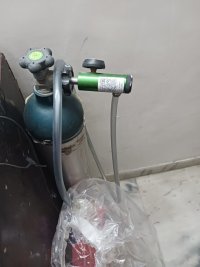
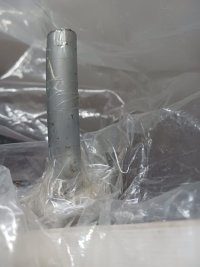
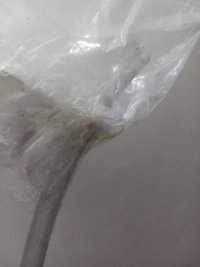
I am sharing my set up here. I have put a small twist in coming up with a solution to the hose within the hood problem. Instead of paving the tube from underneath the bag, I have created a small hole tight enough to squeeze the hose in and then sealed it with regular tape. I have tried it and there are no leaks. As a matter of fact, on my first attempt, everything went as described in the book, the bag inflated and i put it on immediately. But to my dismay even after taking two breaths within the bag that was now snuggled closed on my neck and filled by the nitrogen gas hissing through the hose, I was wide awake. I think something prompted me to take it off and after about 11 seconds or so i took it off. I was wide awake, even more so than before. It seemed my perception as enhanced maybe by the shock or something. Its been 45 days and I am just trying to gather the strength for another try but this one to be the final one. Hopefully it happens soon.
 

Attachments

  • WhatsApp Image 2025-10-13 at 16.52.52.jpeg
    WhatsApp Image 2025-10-13 at 16.52.52.jpeg
    69.2 KB · Views: 0
  • WhatsApp Image 2025-10-13 at 16.53.00.jpeg
    WhatsApp Image 2025-10-13 at 16.53.00.jpeg
    67.7 KB · Views: 0
  • WhatsApp Image 2025-10-13 at 16.53.15.jpeg
    WhatsApp Image 2025-10-13 at 16.53.15.jpeg
    39 KB · Views: 0
MyShadow

MyShadow

Left the forum to pursue recovery
Aug 27, 2025
475
Hi ,
I am sharing my set up here. I have put a small twist in coming up with a solution to the hose within the hood problem. Instead of paving the tube from underneath the bag, I have created a small hole tight enough to squeeze the hose in and then sealed it with regular tape. I have tried it and there are no leaks. As a matter of fact, on my first attempt, everything went as described in the book, the bag inflated and i put it on immediately. But to my dismay even after taking two breaths within the bag that was now snuggled closed on my neck and filled by the nitrogen gas hissing through the hose, I was wide awake. I think something prompted me to take it off and after about 11 seconds or so i took it off. I was wide awake, even more so than before. It seemed my perception as enhanced maybe by the shock or something. Its been 45 days and I am just trying to gather the strength for another try but this one to be the final one. Hopefully it happens soon.
It sounds like your survival instinct kicked in, prompting an adrenaline response. Hence why you took off the exit bag.
 
E

E2Mont

Member
Oct 13, 2025
11
I'm not going to CTB any time soon, but I think I figure out how I'm going to do it. Can someone look over the list of gear to see if I have everything

  • Nitrogen Cylinder: A new 40 cubic feet steel cylinder costs approximately $260.35. A larger 125 cubic feet cylinder costs around $335, with refills costing as little as $35
  • Scuba Regulator Set: A new, complete regulator set can range from approximately $320 to over $1,499.
  • Full-Face Diving Mask: A full-face diving mask can cost approximately $65 to $899, depending on the model.
  • Some clamps to hold the hose on the tank.

Estimate cost $1,479-$2,734

I wanted to use a full-face diving mask since that will be strapped to my head. This preventing it from falling off. I shouldn't have to worry about over pressuring my lungs.


If I can't get the money for the scuba stuff. Then


  • Gas Cylinder: A 40 cubic feet steel helium tank costs between $121.40 and $189.80. A new 40 cubic feet nitrogen cylinder is approximately $260.35.
  • Regulator: A gauge valve for helium costs approximately $49.
  • Bag: A 2-pack of "turkey oven bags" costs approximately $2.79 to $2.99, making the cost per bag between $1.40 and $1.50.
  • Tubing: Clear vinyl tubing is inexpensive, with a 10-foot section ranging from approximately $3.73 to $28.42.
  • Securing Mechanism: The cost of materials like rope or tape is minimal, typically under $15.
  • Total Estimated Cost: The total estimated cost for a new bag-based apparatus can range from approximately $160 to $440.

What is your thoughts?


From my understanding with the second one. I have to put the tube in the bag. Turn on the gas, and let it run for a few seconds. Then breath out and with the tube in the bag, cover my head. Then secure the bag around my head with string, rope, etc.

Am I off? The one thing I ran into problems with it was over pressuring the bag. Some police reports note this, and some didn't die due to this.


The things I found that caused failures is

  • Inadequate Seal: The effectiveness of the apparatus is entirely dependent on a tight seal around the neck to prevent oxygen from the surrounding environment from leaking in. A poor or loose seal can extend the time it takes for unconsciousness to occur and increases the risk of a failed attempt. A case report on a survivor noted that the bag was "not really narrow neck," which allowed a rescuer to easily remove it. Methods using improvised materials like tape, rope, or drawstrings are susceptible to failure in this regard.
  • Interrupted Gas Flow: A continuous flow of inert gas is critical for the apparatus to function correctly. If the gas supply is interrupted for any reason, oxygen can be reintroduced into the bag. This can happen if the gas tank is nearly empty, if a valve is not fully opened, or if the tubing becomes disconnected. A forensic case study on a survivor found that the helium supply was interrupted when the individual lost consciousness and their body shifted, allowing oxygenation to be restored.
  • Involuntary Movements: Even if the method is intended to be painless, the body's physiological responses to severe hypoxia can be unpredictable. Involuntary movements, such as convulsions, can occur and may dislodge the bag or the tubing, disrupting the process and leading to a failed attempt.
  • Overpressure and System Rupture: While the apparatus functions as an "open system" to prevent pressure buildup, the improvised nature of the assembly can create unexpected failures. In a forensic case, a post-mortem examination revealed "pulmonary barotrauma" and the "destruction of numerous alveolar septa," suggesting that the force of a bag rupture was significant enough to cause severe internal injury.
  • Lack of Carbon Dioxide Management: The method is designed to be "painless" by continuously flushing out exhaled carbon dioxide (CO2), which prevents the sensation of suffocation. However, if the apparatus fails to adequately manage this, the buildup of CO2 can trigger the body's natural "hypercapnic alarm response," which may cause a person to remove the bag and save themselves. This is why some right-to-die publications suggest using sedatives in conjunction with the bag, acknowledging that this is a risk for the method's efficacy.


Other than that it is being caught or equipment messing up. Is there anything I'm missing?


Again, I'm not planning on doing this anytime soon. Likely not in the next decade.
You said "Inadequate Seal: The effectiveness of the apparatus is entirely dependent on a tight seal around the neck to prevent oxygen from the surrounding environment from leaking in. A poor or loose seal can extend the time it takes for unconsciousness to occur and increases the risk of a failed attempt".
I am pretty confident that this is incorrect. In fact, you want a loose seal around the neck so that when the Inert gas comes into the top of the exit bag it can push the CO2 that you have exhaled, out the bottom. I actually went to a 4 hour class to learn how to do this inert gas exit properly.
 
  • Like
Reactions: JaneEndings2025 and DeathSweetDeath
K

k1w1

Specialist
Feb 16, 2022
334
You said "Inadequate Seal: The effectiveness of the apparatus is entirely dependent on a tight seal around the neck to prevent oxygen from the surrounding environment from leaking in. A poor or loose seal can extend the time it takes for unconsciousness to occur and increases the risk of a failed attempt".
I am pretty confident that this is incorrect. In fact, you want a loose seal around the neck so that when the Inert gas comes into the top of the exit bag it can push the CO2 that you have exhaled, out the bottom. I actually went to a 4 hour class to learn how to do this inert gas exit properly.
Im sure that class was not run at the community college. May I DM you?
 
  • Like
Reactions: DeathSweetDeath

Similar threads

H
Replies
1
Views
891
Suicide Discussion
semisimple
S
coolbeansniner55
Replies
9
Views
1K
Suicide Discussion
coolbeansniner55
coolbeansniner55
Chronic
Replies
5
Views
444
Suicide Discussion
Chronic
Chronic
flutebloom
Replies
1
Views
441
Suicide Discussion
Jadeith
J